


This article is part of the lead-up to the 7th edition of NUMIX LAB, an annual international event dedicated to digital creativity and cultural immersion, which will spotlight Spain this year. Following an initial leg in Toulouse, this year’s event will take place in Barcelona and Madrid from November 30 to December 4, 2026.
This publication aims to highlight the territorial, institutional, and entrepreneurial dynamics that currently make Spain a strategic European hub for digital creativity, at the intersection of multiple convergence trends in the audiovisual sector, heritage, culture, and technology.
A Spanish audiovisual and cultural landscape conducive to cultural innovation: between regional specializations and international ambitions
Turning diversity into an asset in terms of audiovisual, cultural, and digital creativity
In Spain, the regions enjoy a high degree of autonomy guaranteed by the 1978 Constitution in order to promote respect for the diversity of local cultures. Each of these 17 autonomous communities therefore makes a particularly significant investment in cultural management, tourism, language, and economic development. This regional diversity, however, fosters intense competition among territories, as cultural and audiovisual support and development programs serve as levers to attract projects and talent through tax incentives, grants, the management of film commissions, and economic incentives.
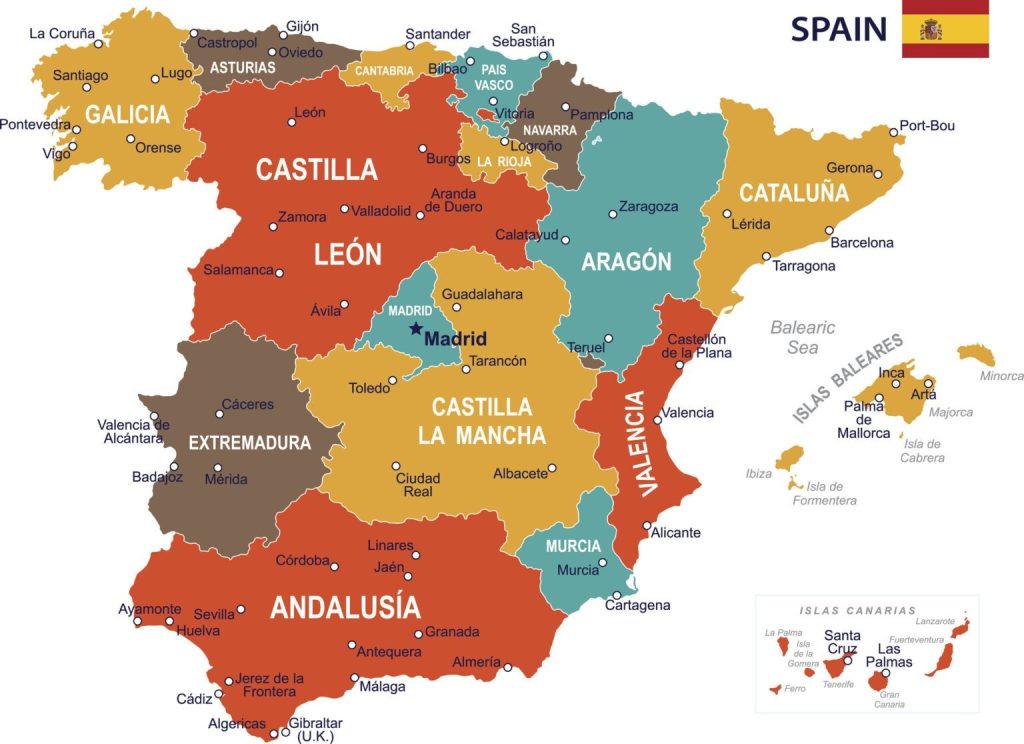
This territorial structure gives rise to major geographic specializations and dynamics of complementarity from one region to another, transforming local cultural policies into genuine strategies for industrial competitiveness:
- The Community of Madrid (decision-making hub): The Spanish capital is home to executive functions, the headquarters of major media conglomerates, streaming platforms, and large networks of private foundations. According to the French Institute, this autonomous community alone generates approximately 40% of the national revenue for the creative and audiovisual industries.
- Catalonia (a hub for creativity and innovation): With a strong economic and industrial base, Catalonia uses culture and audiovisual technologies as a means to boost its economic appeal and enhance its international standing. With its wealth of expertise in exceptional digital creativity, the Catalan region also promotes these cultural enterprises internationally. This is notably the role of the Catalan Arts , led by theInstitut Català de les Empreses Culturals to organize, fund, and promote the digital creation sectors internationally. Catalan Arts is one of the partners of this 7th edition of NUMIX LAB.
- The Canary Islands (International Filming Hub): These islands offer a special tax regime to attract world-class audiovisual productions by providing a tax credit of up to 54% for international film shoots, establishing themselves as one of the most competitive legal frameworks in Europe.
- Navarre and the Basque Country (hubs for tax incentives and services): These regions are implementing active tax incentive policies to attract film studios and post-production companies. Navarre, in particular, offers specific tax deductions of up to 45 percent.
- Andalusia (film locations and cultural tourism): This region combines its wealth of heritage sites with the efforts ofthe Andalusia Film Commission to link the hosting of film shoots to the growth of high-end cultural tourism.
- Galicia and the Valencian Community (promotion of local content and identities): These regions provide targeted support for the creation of works and outreach programs in their co-official regional languages, making linguistic identity a criterion for eligibility for local public funding.
European integration has also helped strengthen and accelerate the influence of Spain’s regions in the cultural and audiovisual sectors by providing them with support and funding, as the regions often serve as the recipients of European funding. This has helped consolidate creative and cultural regions that already possess a rich heritage and are already largely internationalized thanks to cultural tourism.
Making Spain a European audiovisual and cultural hub
Spain’s geographic and historical location makes it a true international gateway to the Iberian Peninsula (Portugal), to Africa—particularly Morocco, via the Spanish territories of Ceuta and Melilla—and to South America.
Following the democratic transition that took place after the end of Franco’s dictatorship, Spain’s accession to the European Union in 1986 marked a major strategic turning point toward international openness. Access to European structural funds, particularly the European Regional Development Fund (ERDF), served as the primary financial driver for the modernization of the country’s public infrastructure. National public entities such as the digital transformation agency Red.es thus helped support the early projectsin e-culture, digital literacy, and the deployment of telecommunications infrastructure essential to the development of today’s immersive content creation.

Another program such as NextGenerationEU, implemented at the national level through the Plan for Recovery, Transformation, and Resilience(PRTR) by the Spanish government, has made it possible to channel massive public investments into the cultural industries. A total of 1.6 billion euros in public funding was thus allocated to the national program “España, Hub Audiovisual de Europa.” This government program aims to transform the country, on a sustainable basis, into a major hub for digital production and innovation on a European scale, drawing on modern infrastructure, a skilled workforce, and competitive costs.
The investments are structured around two major components implemented by the Ministère de la culture:
- Component 24 (“Revitalization of the Cultural Industry”): This program aims to strengthen the competitiveness, resilience, and digital transition of the entire cultural value chain. It funds the digital modernization of technical infrastructure, support for Creative Tech cultural accelerators, and the acquisition of specialized technological skills for heritage professionals. A significant portion of these funds is also directly allocated to the transformation of major national cultural institutions based in Madrid, funding the digitization of collections and the creation of virtual outreach initiatives at the Museo Nacional del Prado, the Museo Nacional Centro de Arte Reina Sofía, and the Biblioteca Nacional de España.

- Component 25 (“Spain, Europe’s Audiovisual Hub”): This sectoral plan outlines support for the film, video game, visual effects (VFX), animation, and immersive technologies (XR, virtual and augmented reality) industries. The goal is to increase the global visibility of Spanish content, which is already driven by international hits such as *La Casa de Papel* and *Élite*, as well as by hosting major film and TV productions like *Game of Thrones*. To date, the audiovisual industry accounts for 1% of Spain’s GDP and generates more than 62,000 direct jobs, with a total economic impact estimated at between 8 and 9 billion euros.

The impact of this national strategy to attract businesses can be seen in the example of the establishment of international platforms such as Netflix. Having entered the Spanish market in 2015 when it launched its international streaming service, the American company opened its first European production hub in Tres Cantos, in the Community of Madrid, in 2019, on an initial site of 22,000 square meters featuring 10 soundstages. For the period 2025–2028, Netflix has announced a plan to expand this production center at a cost exceeding 1 billion euros. This industrial expansion has resulted in collaborations with more than 60 local production companies, filming in over 200 Spanish locations, a catalog of over 1,000 Spanish titles, and a viewing volume reaching 5,000 billion hours of views for a national subscriber base of approximately 8.5 million. The establishment of these global players strengthens the entire ecosystem by providing a sustainable framework for local technology subcontracting networks and post-production studios. This industrial expansion has resulted in collaborations with more than 60 local production companies, film shoots across more than 200 Spanish locations, a catalog of over 1,000 Spanish titles, and a viewing volume of 5,000 billion hours for a national audience of approximately 8.5 million subscribers. The establishment of these global players strengthens the entire ecosystem by providing a sustainable framework for local technology subcontracting networks and post-production studios. Netflix is now also investing in VR formats—such as the experiments surrounding *Black Mirror*, already discussed at the previous edition of NUMIX LAB —confirming the diversification of these investments in immersive media.
Such a development is therefore conducive to the emergence of audiovisual and technology companies such as:
- Mediapro : This leading audiovisual and production conglomerate plays a pivotal role by integrating immersive technologies (virtual reality, virtual production on LED screens, volumetric capture) on a large scale. Its global reach and investments in innovative formats—some of which draw on elements of science fiction or mainstream entertainment—make it a cornerstone of the technological creativity industry in Spain.
- Layers of Reality : A studio specializing in the production of immersive cultural content and the creation of digital arts centers, this organization excels in the development of virtual reality (VR) and extended reality (XR) projects, as well as monumental projection mapping displays with significant historical value. It applies this expertise to the management of permanent exhibition venues, combining scientific rigor with spectacular staging for the general public.
- Fever : A Madrid-based tech unicorn that has become a leading global platform for the distribution and monetization of cultural and entertainment experiences. Fever embodies the commercial success of smart ticketing and audience management tools applied to the creative industries.
These various companies, along with many renowned studios such as UniVRse and Onion Lab, will be in attendance and will showcase their work at the upcoming edition of NUMIX LAB.
Toward the Emergence of Regional Hubs Dedicated to Culture and Innovation?
The digital creation and audiovisual ecosystem in Spain is organized around the gradual specialization of its major urban centers. The autonomous communities do not limit themselves to direct competition; rather, they develop complementary roles along the cultural and technological value chain.
Barcelona, a region focused on digital creativity
Barcelona is establishing itself as Spain’s capital of digital creation, design, and audiovisual technologies. With numerous renowned universities in the area (such as La Salle, the IAAC, and the Barcelona Supercomputing Center) and many global events (such as the Mobile World Congress and theIntegrated Systems Europe Barcelona), the city has channeled this momentum by repurposing former industrial spaces into permanent innovation hubs, such as the Poblenou neighborhood. Today, this district uniquely brings together, within a single area, art and design schools (such as BAU), business incubators (such as the Barcelona XR Lab), venues for showcasing creative work, and innovative cultural enterprises. With numerous festivals dedicated to the digital arts, such as MIRA and LLum Barcelona, Barcelona is a city where a diverse range of cultural venues have opened their programs to digital creativity, includingIdeal, Espai Imagina (a venue recently created by Mediapro), Casa Batlló, and Cosmo Caixa. These various and particularly inspiring cultural sites will be featured on tours during the next edition of NUMIX LAB.

Madrid, a major hub for audiovisual production and cultural dissemination
Unlike the Catalan model, which is centered on a network of independent studios and avant-garde festivals, the dynamics of the Community of Madrid are based on its role as a decision-making center and on the financial clout of its private and corporate foundations. Accounting for approximately 40% of the audiovisual sector’s revenue in Spain, Madrid is home to the headquarters of major television networks, the production hubs of streaming platforms (such as Netflix’s facility in Tres Cantos), and the headquarters of major telecommunications operators.
From a strategic perspective, Madrid’s major institutions prioritize their digital investments toward directly optimizing the on-site visitor experience, developing web tools, and analyzing audience data. Rather than maintaining in-house expertise in pure artistic creation, they systematically rely on collaborations with external creative agencies and studios specializing in immersive content production.
The capital’s institutional landscape is characterized by the presence of major public and private contracting authorities:
- The “la Caixa” Foundation(CaixaForum): A major cultural organization that develops large-scale, immersive projects with national reach, such as the “Nature Vive” exhibition and its technological co-production partnerships with National Geographic and Oasis Studio.
- The Fundación Telefónica : An exhibition and research space focused on promoting technological cultures, digital art, and coordinating interdisciplinary projects that bring together artists and telecommunications engineers.
- The Fundación Mutua Madrileña : An organization that invests in digital mediation initiatives and innovative publishing projects aimed at promoting the classical literary heritage, with a recurring focus on the works of Cervantes.
- The Museo Nacional del Prado : A national institution that carries out major outreach programs, partnering with private-sector entities such as Acciona Cultura to make its collections accessible through standardized digital platforms.
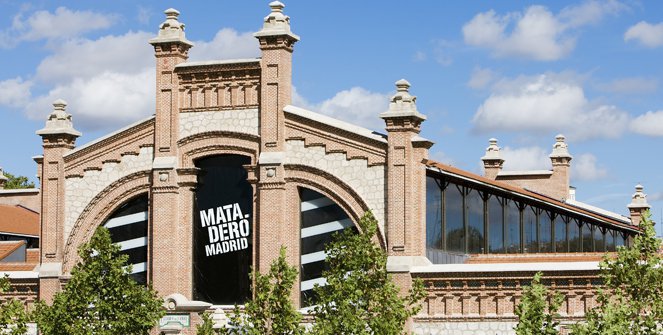
- The public innovation network and third places: Madrid has established key state and municipal infrastructure, such as the public program “Madrid in Game,” dedicated to the video game industry; the citizen innovation hub “Digitaliza Madrid”; and the artistic and social experimentation laboratory “Matadero Madrid” (which includes the MediaLab Matadero and Intermediae spaces). This network includes high-traffic commercial digital arts centers such as MAD (Madrid Artes Digitales), managed by Layers of Reality, alternative exhibition spaces such as the avant-garde Neomudéjar center or the Tabacalera in Lavapiés, as well as private technology showcases like the CUPRA City Garage Madrid.

During the upcoming edition of NUMIX LAB, there will be numerous visits and meetings with the key players who make Madrid a major European hub for digital cultural creativity.
Málaga: A Blend of Cultural Development, Tourism, and Innovation
Málaga embodies a path of territorial transformation that is unique in Southern Europe. To break free from its historical dependence on mass beach tourism, the city has implemented an aggressive policy of bringing in internationally renowned cultural and museum brands (including the Centre Pompidou Málaga, the Russian Museum Collection, and the Carmen Thyssen Museum).
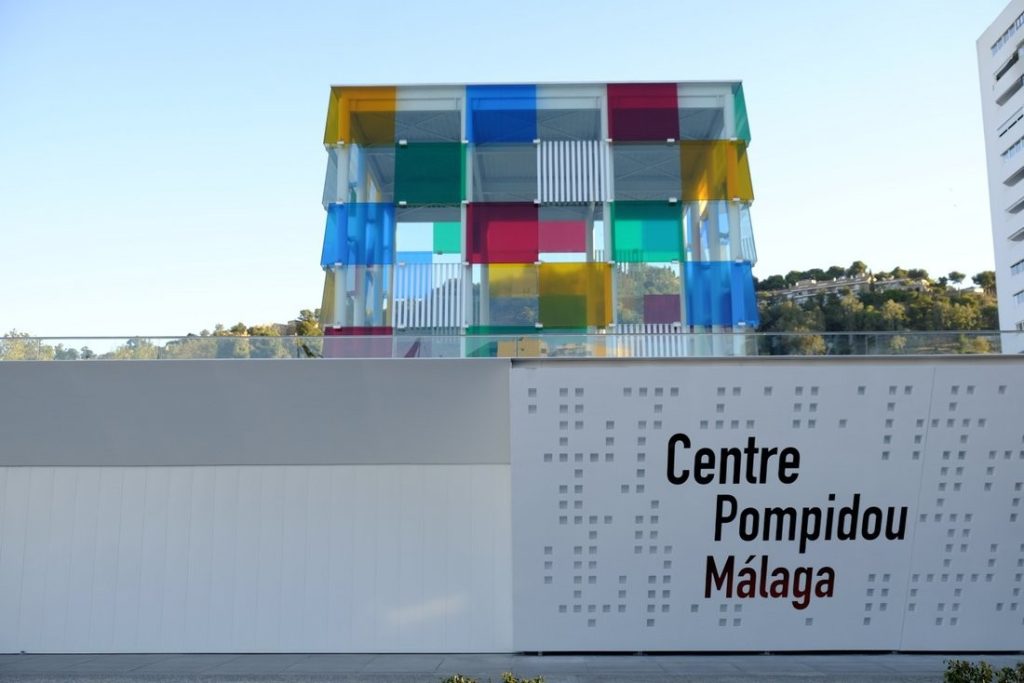
This high concentration of museums (nearly 25 major museums) is directly linked to the development of cutting-edge technological infrastructure. Málaga is home to the headquarters of Spain’s State Secretariat for Digitalization and Artificial Intelligence, the business hub Malaga TechPark as well as the Polo de Contenidos Digitales (the National Digital Content Hub). This institutional alliance enables the city to position itself as a hub for applied research in digital museology, artificial intelligence, and the creation of interactive content, offering an ideal testing ground for evaluating audience management technologies in areas with high tourist traffic.
Bilbao: A Pioneer in Urban Regeneration Through the Cultural Industries
Bilbao represents the classic model of industrial revitalization through the establishment of flagship international cultural institutions—a phenomenon theorized under the concept of the “Bilbao effect.” Faced with a structural crisis in its port and steel industries at the end of the twentieth century, the city chose to partner with the Solomon R. Guggenheim Foundation to redefine its urban and economic identity.
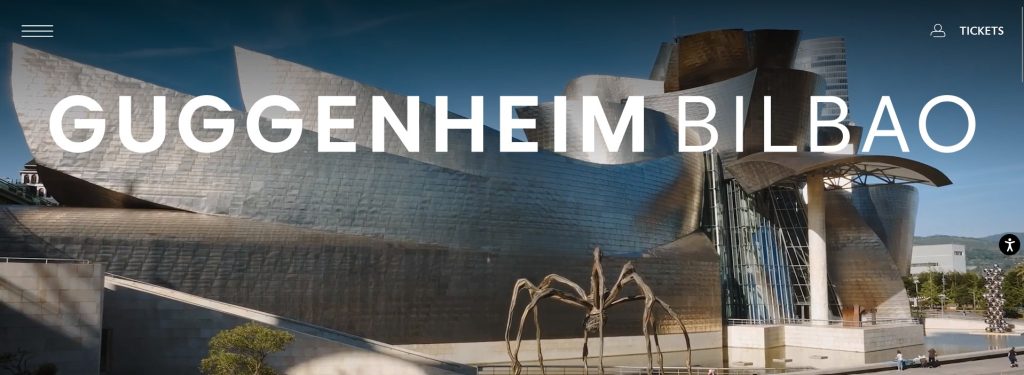
This pioneering initiative demonstrated that a massive investment in contemporary architecture and culture could revitalize an entire regional economy by attracting an ecosystem of skilled services and high-end tourism.
Beyond this initial architectural spotlight, Bilbao’s ecosystem has since taken shape around technological and cultural players that are firmly establishing the city in the digital realm, such as Tecnalia.

Located primarily in the Bizkaia Science and Technology Park, this center is Spain’s largest applied research and technology development organization, with nearly 1,500 employees. As a member of the Basque Research and Technology Alliance (BRTA), Tecnalia leads projects that combine augmented and virtual reality, artificial intelligence, and human-machine interaction applied to the creative industries, contributing cutting-edge technology to Bilbao’s ecosystem.
- Azkuna Zentroa – Alhóndiga Bilbao: a former early 20th-century wine warehouse converted by designer Philippe Starck, this hub of contemporary society and culture in Bilbao structures its programming around six themes, one of which is specifically dedicated to digital cultures, alongside contemporary art, the performing arts, and audiovisual media. It illustrates the city’s ability to extend the heritage revitalization approach initiated by the Guggenheim toward contemporary and digital cultural uses.
Today, Bilbao is capitalizing on this legacy by focusing its institutions on the digital arts (as exemplified by the Azkuna Zentro Alhóndiga contemporary culture center, which has made digital cultures a central focus of its programming), augmented space design, and the creative industries, serving as a methodological model for the future development strategies of cities such as Málaga.
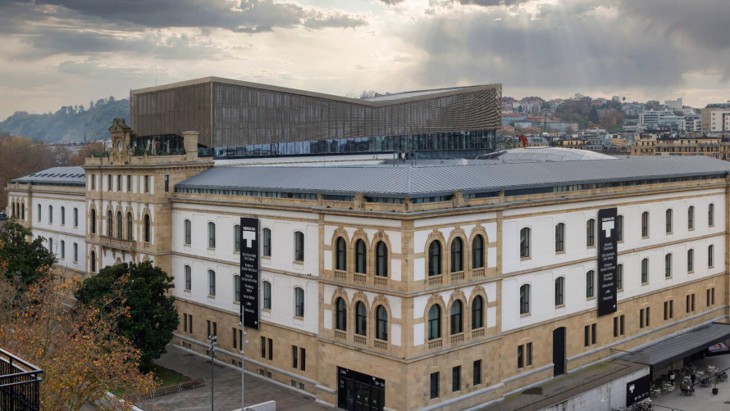
More broadly, the Basque Country, Asturias, and Galicia are regions that are home to numerous venues dedicated to digital creativity, such as the Tabakalera Art Center in San Sebastián, the Laboral Centro de Arte y Creación Industrial in Gijón (this is also the city where the L.E.V. digital arts festival originated).
The diversity of these projects and all these reasons led to the decision to choose Spain as the host for the 7th edition of NUMIX LAB, to be held from November 30 to December 4, 2026, in Toulouse, Barcelona, and Madrid. Indeed, the country offers the ideal conditions for such an international event.
The program for this edition aims to highlight the richness and diversity of Spain’s regional ecosystems, foster connections between creators, cultural venues, and public and private funding partners, and initiate new collaborations and co-productions between Spain’s autonomous communities and the rest of the NUMIX LAB international network. An article detailing the program will be published shortly.
Vincent MATHIOT